
Inshore trawling explained
In a special video and data visualisation proudly developed for the industry by the Federation, we've taken spatial data sourced from the Ministry for Primary Industries and processed it with a 3D map programme to show just how compact the inshore fishing trawl footprint is, and help visualise New Zealand’s highly managed, abundant fishery.
Fishing for the future
The sights and sounds of New Zealand's primary industries, like agriculture and horticulture, are never too far away. Pastures, fields, crops and stock yards are familiar to us. But it's not as easy to visualise our underwater commercial fishing footprint.
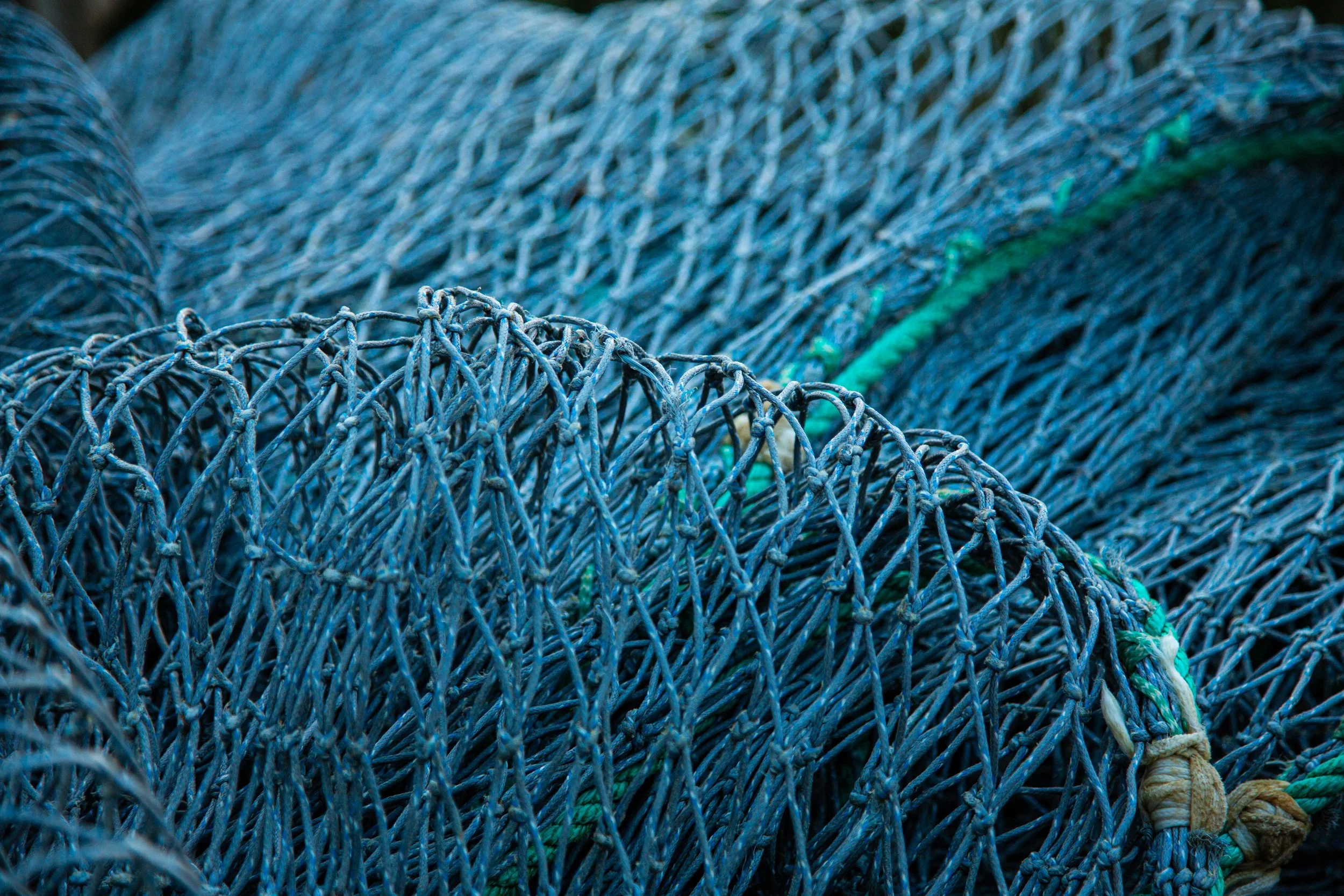
In New Zealand, trawling is necessary because many of our fish (like flatfish, snapper, tarakihi, gurnard and rig) live on or near the bottom of the ocean. They breed, grow and sustain a healthy population near the seafloor so we fish for them there – reliably, efficiently and cost-effectively. In fact, around 75% of our commercial fish catches by volume are caught by trawling.
Nearly three-quarters (73.2%) of adults in New Zealand eat seafood at least once a week, but fewer than 10% catch their own seafood even once a year. This means a large majority of Kiwis rely on commercial fishers to catch their fish.
In New Zealand, all catch is reported and accounted for within the Quota Management System (QMS), our world-leading fisheries management framework. The United Nations ranks the Southwest Pacific (which includes New Zealand) among the world’s most sustainably managed fishing regions, second only to the Northeast Pacific.
Like any type of food production, bottom trawling has some impact. Our responsibility is to keep that impact to a minimum.
Well-managed, trawling is a sustainable fishing method
Here’s why:
Around 31% of New Zealand’s waters is closed to bottom trawling – an area more than four times the size of New Zealand’s landmass.
According to a 2026 Ministry for Primary Industries (MPI) report, “The extent and intensity of seabed contact by trawl gear using fisher reported and geospatial position reporting data, 1990 to 2023”, bottom trawling happens in around 2% of New Zealand waters each year. MPI analysis shows the area of seabed contacted by trawl gear has steadily decreased since 2008, reaching its lowest extent in 2023.
We continue to evolve our net technology to reduce impact. Our fishing nets are now lighter. Larger mesh means that smaller fish swim out. We use innovative bycatch mitigation methods, in net-tech and on-deck, to protect seabirds and other marine mammals. Wild trawl-caught New Zealand fish has a very small carbon footprint, smaller than other animal proteins, because fishing doesn’t require land, pesticides, fertiliser, antibiotics and almost no freshwater.
Cameras are on about 220 commercial inshore vessels and cover 85% of inshore catch – New Zealand has the largest fishing vessel camera programme in the world.
Visualise how bottom trawling works
Our fishery is highly managed and abundant
According to the Food and Agriculture Organization (FAO) of the United Nations, in 2025 the Southwest Pacific (includes NZ) is the world’s second-most sustainably managed fishing region, second only to the Northeast Pacific. This shows the QMS is working.
Learn more about bottom trawling:
Report: “The extent and intensity of seabed contact by trawl gear using fisher reported and geospatial position reporting data, 1990 to 2023” Source: MacGibbon, D.J.; Wood, B.A.; Mules, R. (2026). The extent and intensity of seabed contact by trawl gear using fisher-reported and geospatial position reporting data, 1990 to 2023. New Zealand Aquatic Environment and Biodiversity Report No. 372. 360 p.
