

Anchored in history
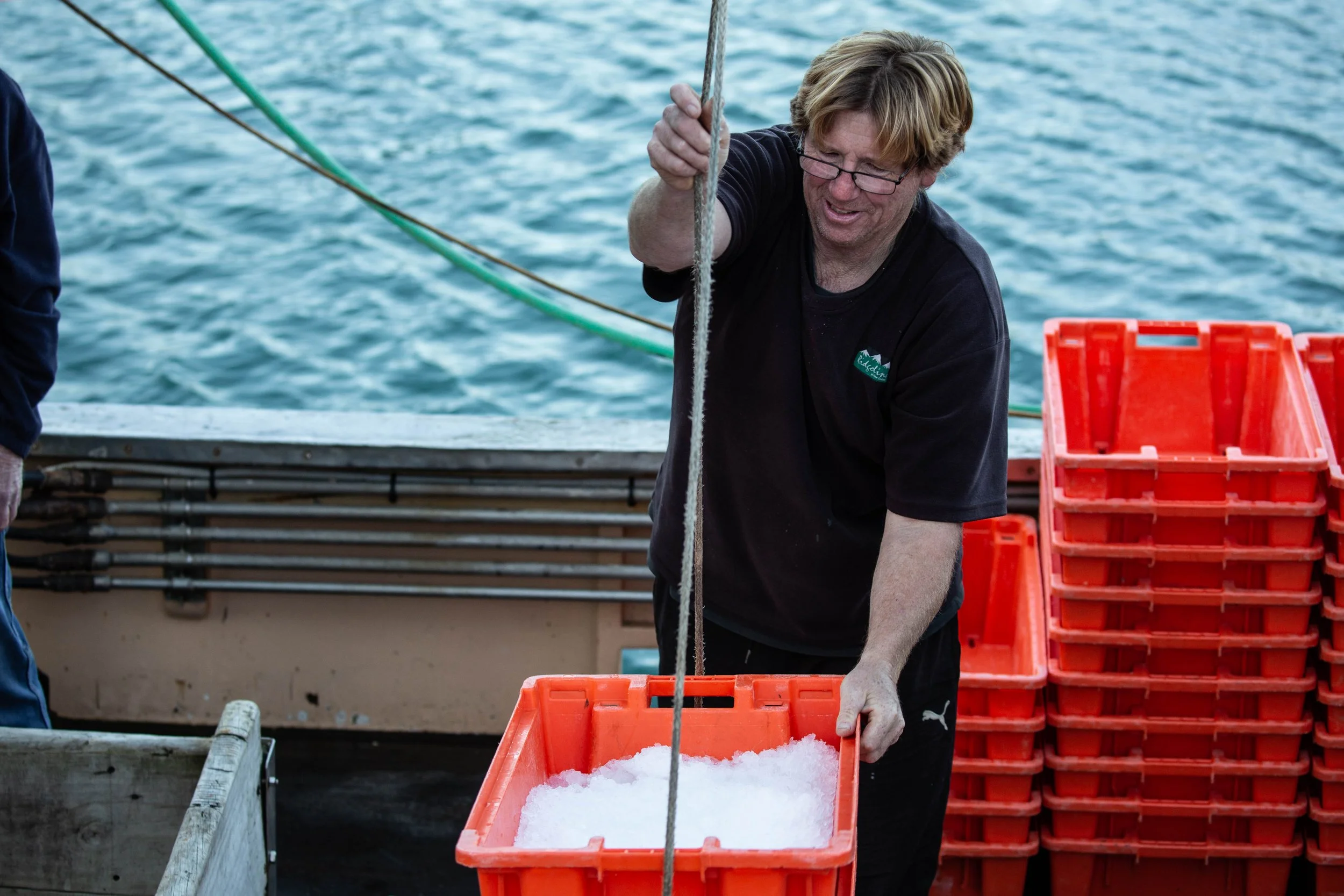
The New Zealand Federation of Commercial Fishermen (the Federation) is a national organisation that represents independent owner-operator fishers and their crew.
The Federation began in Lyttelton in late 1952, when a small group of South Island fishers formed a “Federation of Associations” to coordinate representation for commercial fishers. In 1958 the organisation expanded to include representatives from the North Island and was dubbed the New Zealand Federation of Commercial Fishermen (Inc).
Since then, the Federation has brought together thousands of passionate, small-scale commercial fishers from across the country to advocate for industry and environmental issues that affect New Zealand’s waters, fisheries and regional economies.

The early decades of the Federation’s activities focused on securing fair access to inshore fisheries, basic safety and licensing settings and ensuring small operators had a collective voice as the industry expanded and modernised.
By the late 1950s, the Federation was recognised as a key national body for inshore commercial fishers. The Federation was instrumental in setting up the world-leading fisheries management systems that persist to this day, such as the creation of New Zealand's 200 nautical mile Exclusive Economic Zone (EEZ) and the creation of the Individual Transferable Quotas (ITQs) and, in 1986, the Quota Management System (QMS).
Past members such as Ken Hope, Buzz Falconer and Bob Brown played major roles as Federation representatives on the former Fishing Industry Board (FIB), and the Federation President and Executive remain engaged with industry representative group Seafood New Zealand to this day, to represent the interests of small-scale inshore commercial fishers and owner-operators.
More than 70 years later, the Federation is still the national voice of independent, inshore commercial fishers.
The organisation has evolved alongside major changes in New Zealand’s fishing industry and regulation, engaging with Ministers and agencies on regulations, marine protection proposals, biosecurity and vessel standards, and broader oceans policy, while also supporting member wellbeing, safety, and succession through initiatives like the Sunderland Marine Young Fisher of the Year Award.