
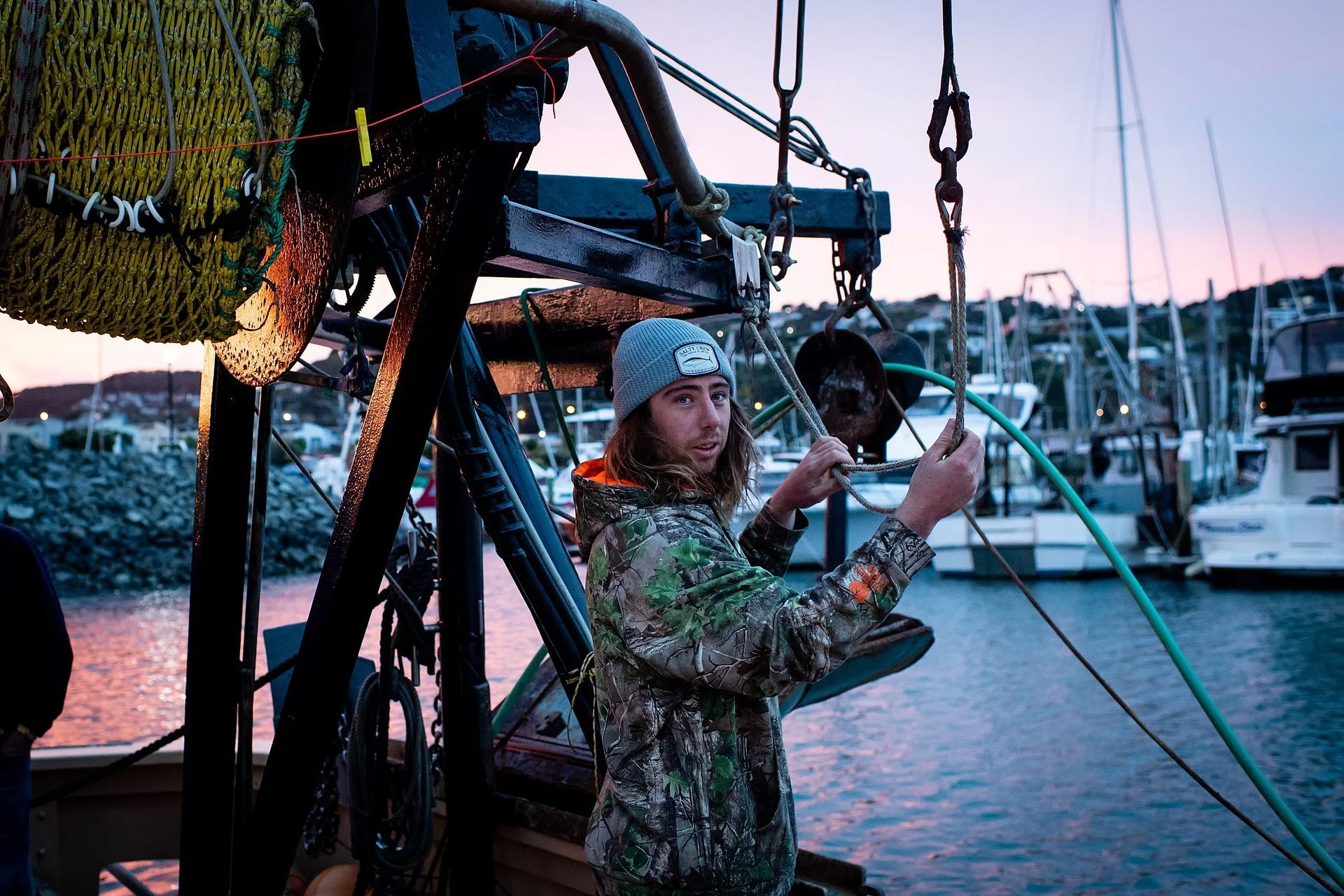
Supporting our entire fishing whānau
Promoting maritime safety awareness is a core component of Federation activities.
Reducing person overboard risk
The Federation is an active participant in the Fishers Health and Safety Leadership Group and the New Zealand Fishing Health and Safety Forum, working with Maritime New Zealand (Maritime NZ), senior leaders, skippers and crew, health and safety managers and fleet managers on managing critical risks in commercial fishing.
Fishing is challenging, highly skilled work done in variable and tough conditions. Person overboard is a critical risk that needs to be top of mind every time fishers head out.
Together with the commercial fishing industry, Maritime NZ is developing Fishing Safely, a resource providing guidance about how to manage some of the key critical risks in fishing.

Hazard controls vary from vessel to vessel. To reduce incidents of person overboard, keep the following in mind:
Make sure crew are trained to identify vessel and task-related hazards that could result in a person overboard. Particularly when working in adverse and changing conditions.
Apply a dynamic risk assessment approach at sea. If environment or ship conditions change, reassess the risks and whether it is safe to continue the task. This includes vessel limitations when operating in different environments. Also think about the likelihood of a person overboard and how best to respond to it in your current environment.
Eliminate or reduce hazards, including:
good vessel maintenance and keeping decks clean and tidy to reduce slips and trips
managing lines and gear to minimise the risk of entanglement
using physical barriers such as railings and bulwarks (where possible) or safe zones on deck
using gear like safety lines and harnesses (where practicable) in areas where crew have to lean over or work close to the edge of the deck
making sure the speed of setting gear is safe, appropriate to the conditions and crew capability.
Use personal safety gear like personal floatation devices and location beacons when doing operations that could result in a person overboard and have access to knives when setting gear and working with ropes, backbones and other equipment.
Make sure crew are trained in person overboard procedures and participate in regular drills to practice emergency response, recovery actions and survival techniques in the water.
Make sure adequate vessel risk assessments are done, including where vessels have been modified, are operating a new fishing method or any situation that could increase crew exposure to entanglement and person overboard.
Remember, where you experience a person overboard incident, or a near miss, you must notify Maritime NZ. This information helps with responding to incidents, understanding about what is happening across the sector and identification of areas we can focus on to improve safety for all fishers.


New Zealand Shipwreck Welfare Trust (NZSWT)
The Federation is proud to be a longstanding supporter of the New Zealand Shipwreck Welfare Trust (NZSWT) and the valuable financial assistance it provides to the whānau of those tragically lost at sea.
Since 1902, the Trust (formerly the Shipwreck Relief Society of New Zealand) has supported widows and families of shipwrecked sailors through regular grants and payments. Although modern safety systems and accident compensation schemes have reduced the frequency of shipwrecks, the Trust remains a vital safety net for dependents of those lost at sea while working on commercial fishing vessels.
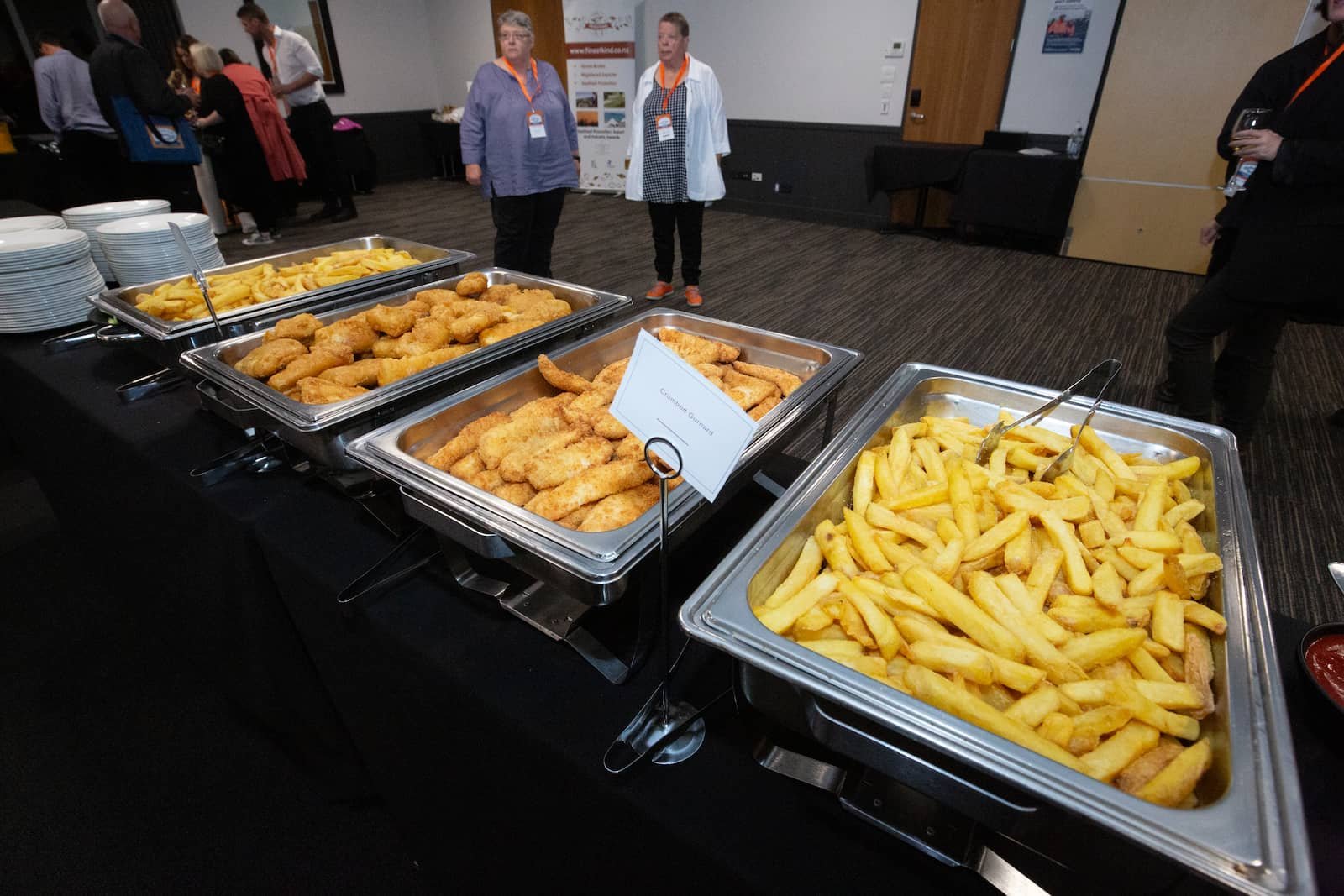
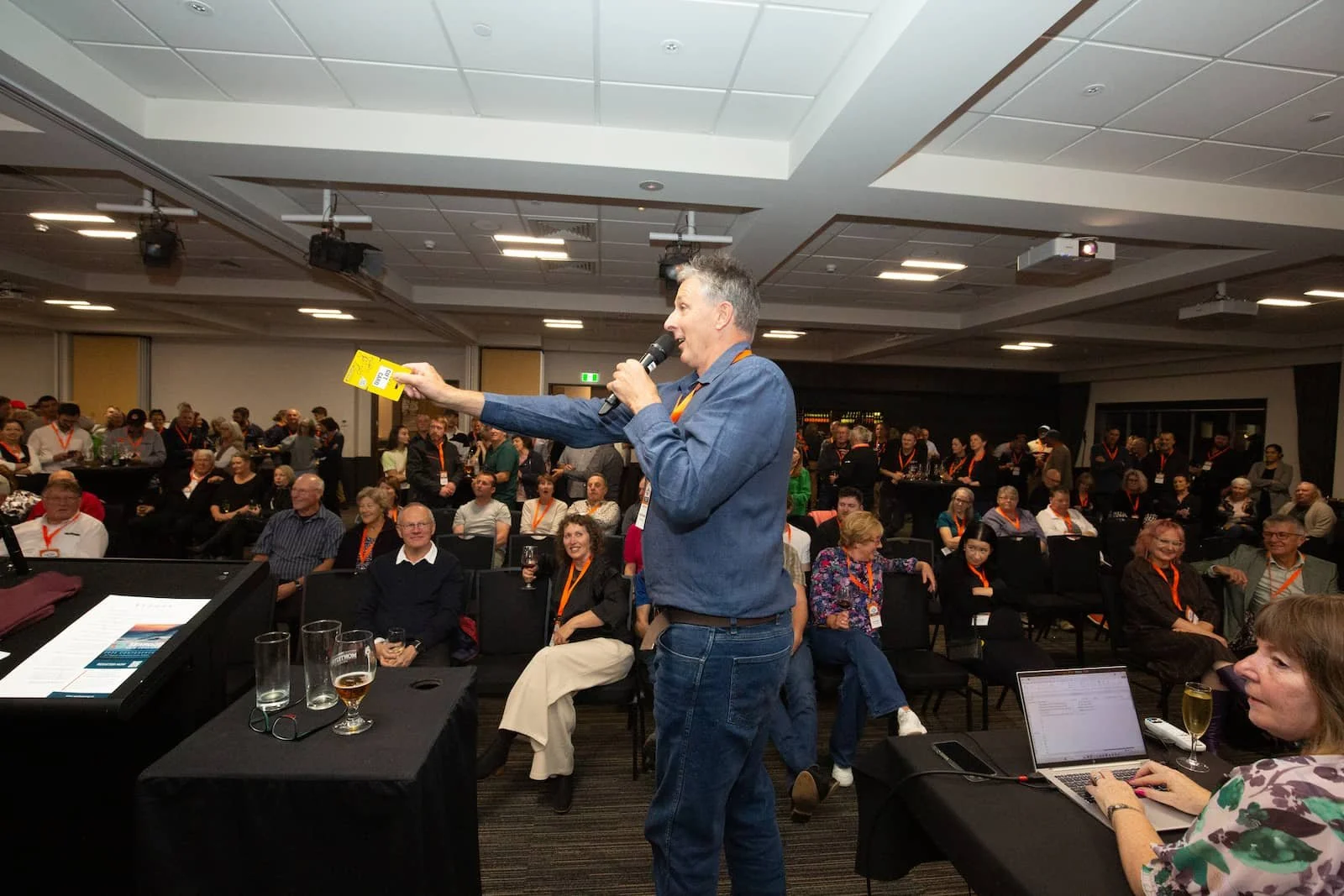
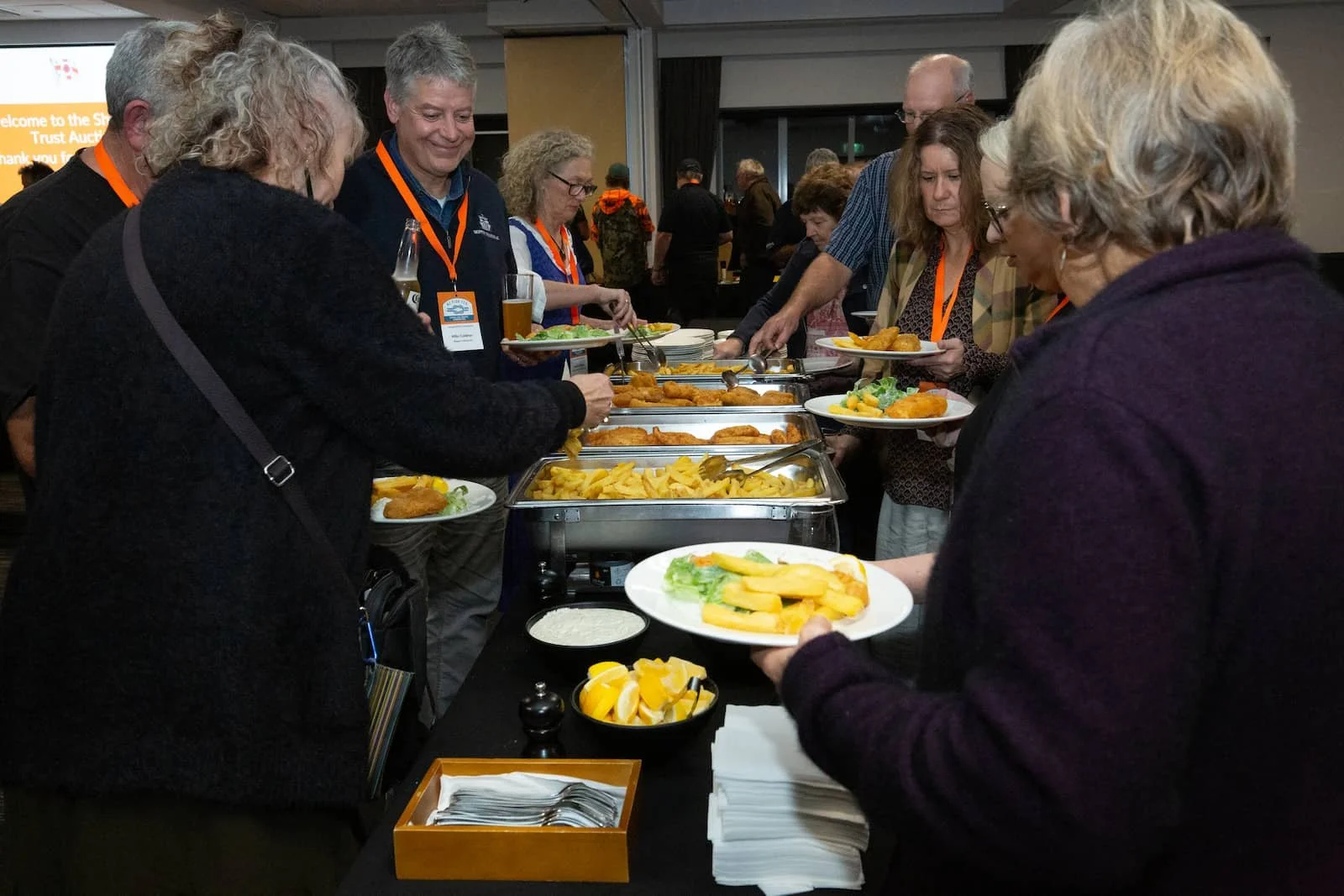
Each year, a fish n' chip dinner and live auction is held at the end of the Federation's annual conference, with generous donations raffled off to raise tens of thousands of dollars for the Trust.
MarineSAFE
The Federation is proud to be a key proponent of MarineSAFE – online video training resources for skippers and crew that can be watched anytime, anywhere to help understand the hazards onboard a vessel.
Real fishing footage supports learning associated with risk management in the commercial fishing industry. The programmes are focused on improving health, wellbeing and safety outcomes, and reducing injury rates.